What Has Made the Search for Caregivers So Difficult for Complex Needs

Why Finding a Caregiver for Complex Needs Takes Months
For many families, finding a caregiver for a child with a rare disease, or any kind of complex need, can take longer than expected. In some cases, it stretches beyond timelines typically associated with job searches, home buying, or other major life decisions.
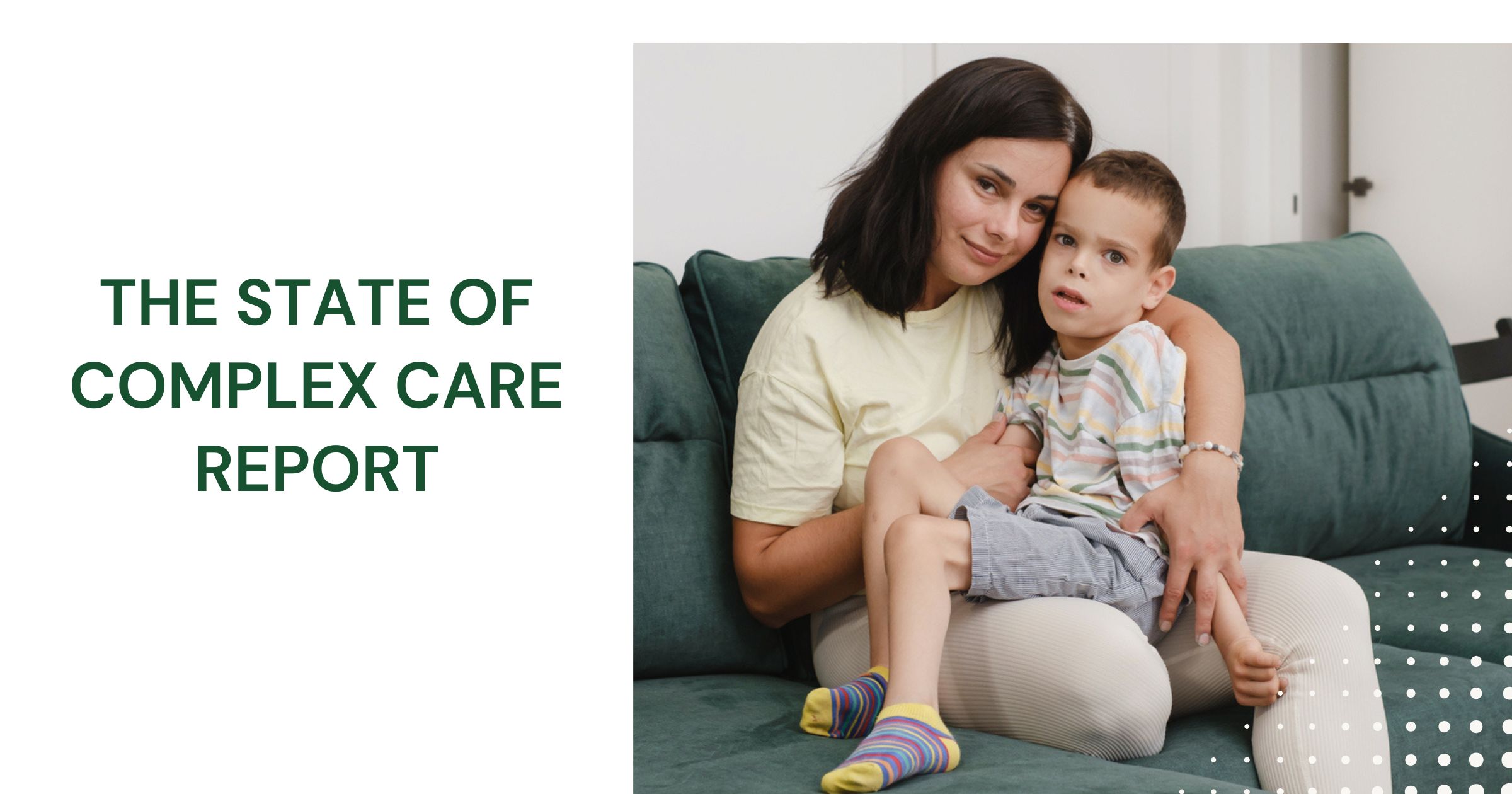
This challenge is increasingly visible beyond individual families. A recent USA Today article highlighted findings from Truly Care’s latest report, The State of Complex Care, a national survey of 500 families navigating complex care needs, underscoring how difficult and time-consuming it can be to find the right support.
The search often begins at a breaking point. A new diagnosis. A shift in care needs. An arrangement that suddenly no longer works.
What families are looking for is not occasional help. It is consistent, hands-on support from someone who is dependable, emotionally aware, and able to adapt to daily routines that can change quickly.
So the search begins.
- Posting in Facebook groups
- Asking other parents at school pickup
- Browsing platforms like Care.com
Spending hours reviewing profiles that may not fully reflect real-world experience
Even promising candidates may step away after experiencing the realities of a demanding care environment.
The result: many families report spending three to five months identifying a caregiver who feels like the right fit.
“When we searched for a caregiver, it took us about four or five months, because we had to interview a lot of people.” — Focus group participant
The Emotional and Practical Weight of the Search
During those months, families often manage care on their own while balancing:
- Work responsibilities
- Care for other children
- Medical appointments and therapies
- Their own physical and mental well-being
The impact is cumulative and often invisible.
Our most recent research called The State of Complex Care surveyed 464 families navigating complex care needs and found:
- Fewer than 3 in 10 say their current care fully meets their needs
- Nearly half have hired someone without the right experience due to limited options
These decisions are rarely taken lightly. They reflect urgency, not preference.
Is It Really a Caregiver Shortage — or a Matching Problem?
At first glance, it may seem like there simply aren’t enough caregivers available.
But the data suggests something more nuanced.
This is often a matching and trust gap, not purely a supply issue.
Families and caregivers both exist. What’s less consistent is the infrastructure that helps them find each other in a way that feels reliable.
What Families Actually Look for in a Caregiver
Across different diagnoses and care situations, families consistently prioritize:
- Kindness and emotional awareness
- Relevant hands-on experience
- Strong communication skills
- Reliability and consistency
- Formal credentials (ranked lower than expected)
- Affordability
This challenges common assumptions. Clinical credentials matter, but they are not the primary filter for many families seeking day-to-day support.
Why Trust Is the Biggest Barrier
Trust remains the most persistent challenge in the caregiver search.
“I have a trust issue. I need to trust you with my son… even if you show me, I still feel like I need to verify more.” — Focus group participant
Key findings from the research:
- 45% of families cite trust as their biggest obstacle
- 49% want references from other families as the most helpful information
- 49% have hired someone without ideal experience due to lack of alternatives
Star ratings alone are often not enough. Families are looking for context and lived experiences, not just scores.
The Hidden Economic Impact on Families
The time spent searching for a caregiver has broader consequences.
- 69% of families have reduced work hours, left a job, or declined opportunities
- Only 22% work full-time outside the home, compared to a national average near 67%
Behind these numbers are real trade-offs:
“Cut hours to drive her to PT. Boss said we’re not a charity — now drive Uber between her naps.” — Survey respondent
Another shared:
“Lost my job after missing work during his surgeries. Now I provide overnight care for other families.”
Estimates suggest the broader economic impact of caregiving disruptions reaches hundreds of billions of dollars across lost wages, healthcare costs, and workforce exits.
Why the Search Takes So Long

For families navigating complex care:
- 56% rely on word of mouth
- Many platforms filter by basic criteria like location or availability
- Fewer tools surface experience with specific care situations or household dynamics
This can make the process feel fragmented and repetitive.
What the 5-Month Search Reveals
The extended search timeline reflects a broader gap in how caregiving connections are made.
Families are not simply navigating a difficult process. In many cases, they are navigating a system that is still evolving.
They are:
- Conducting multiple interviews
- Re-evaluating fit after real-world shifts
- Looking for signals of trust that are often hard to verify
The challenge is not just finding a caregiver. It is finding the right match for a specific, deeply personal care environment.
About the Research
This article draws on insights from The State of Complex Care: Voices and Experiences of Families Navigating Complex Care, based on a survey of 464 families conducted between June and July 2025.
Key Takeaways
- Families searching for caregivers for complex needs often spend 3–5 months finding the right fit
- Trust, not availability, is one of the most significant barriers
- Families prioritize emotional awareness and real-world experience over formal credentials
- Many households make major career and financial sacrifices during the search
- Current systems often rely heavily on word of mouth, with limited structured matching tools
- The challenge is less about scarcity and more about alignment and trust between families and caregivers
Frequently Asked Questions About Finding a Caregiver for Complex Needs
Why does it take so long to find a caregiver for complex needs?
For many families, the search takes 3–5 months because it involves more than availability. Families are looking for someone they can trust in a highly personal environment, often requiring multiple interviews, trial periods, and time to assess real-world fit.
Is there actually a shortage of caregivers?
In many cases, the challenge is not just supply, it’s matching. Families and caregivers both exist, but there are limited tools to connect them based on trust, experience, and compatibility.
What makes hiring for complex care different from typical childcare?
Complex care often involves supporting daily living activities, navigating medical or behavioral needs, and adapting to changing routines. Families are hiring for judgment, emotional awareness, and consistency, not just basic qualifications that show up on a resume.
What do families prioritize most when choosing a caregiver?
Research shows families consistently prioritize:
- kindness and emotional awareness
- relevant hands-on experience
- strong communication
- reliability
Formal credentials often matter less than how someone shows up day-to-day.
Why is trust such a major barrier?
Caregiving happens in the home, often with vulnerable children or adults. Many families say “finding someone I can trust” is the hardest part, and traditional signals like resumes or star ratings don’t provide enough context.
How does the caregiver search impact families long-term?
The impact extends beyond the search itself. Many caregivers reduce work hours, leave jobs, or miss medical appointments while trying to manage care — creating long-term financial and health consequences.
Bottom Line
Finding care shouldn’t take months of trial and error.
For families navigating complex needs, the right support can change everything not just for the person receiving care, but for the entire household.
As more families share their experiences, there’s an opportunity to build better systems that make finding trusted, compatible caregivers simpler and more reliable.
Top 5 Things Families Look for in a Caregiver
Across different diagnoses and care situations, families prioritize:
- Kindness and emotional awareness
- Relevant hands-on experience
- Strong communication skills
- Reliability and consistency
- Formal credentials (ranked lower than expected)
Related Articles


Make your next job your best job.
Get Started →