The Complete Student Guide to Finding Disability Caregiver Jobs


The Complete Student Guide to Finding Disability Caregiver Jobs
Disability caregiving roles offer students flexible schedules, meaningful work, and hands-on experience supporting children in everyday routines. This guide walks you through where to find caregiver jobs, how to create a strong student profile, and how to succeed in supportive roles while balancing your academic workload.
Why Disability Caregiving Is a Smart Job Choice for Students
Meaningful, Hands-On Experience That Supports Future Careers
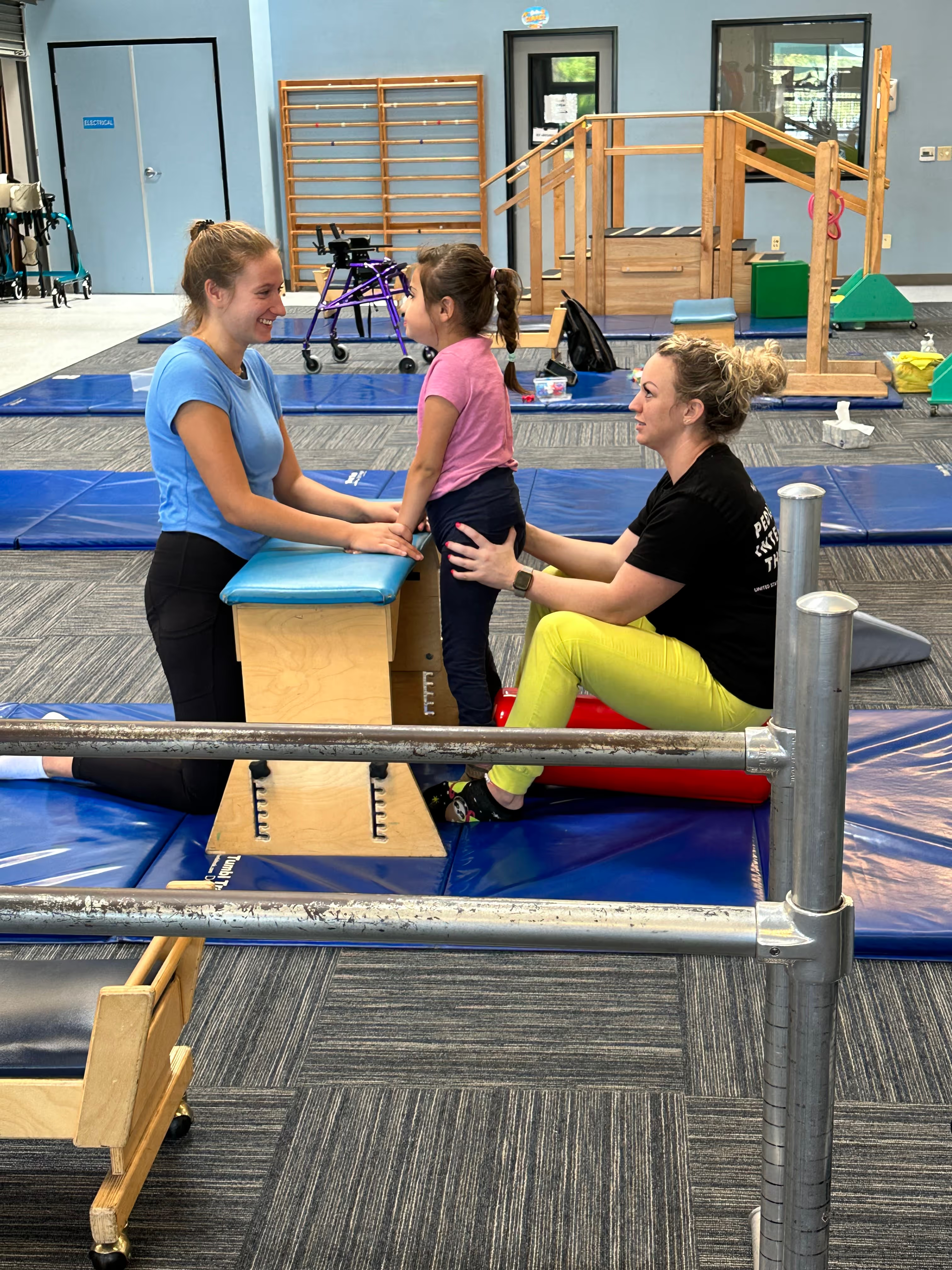
For students studying nursing, PT, OT, SLP, social work, psychology, or education, caregiving jobs for children with disabilities offer warm, relationship-centered experiences that strengthen communication, adaptability, empathy, and confidence.
According to the National Association of Colleges and Employers (NACE), communication and teamwork are among the most valued competencies for early-career professionals.
“Caregiving helped me understand the human side of healthcare long before I entered my clinical courses.”
What Disability Caregiver Jobs Look Like for Students
Common Types of Caregiving Roles
Student caregiver jobs may include:
- After-school support
- In-home caregiving
- Respite care
- Personal assistant roles
- Support roles that assist with therapy-related activities
Students may work with children who experience communication differences, sensory needs, behavioral challenges, mobility differences, or learning differences.
“Every family is different — and caregiving teaches students how to adapt with patience and respect.”
Where Students Can Find Disability Caregiver Jobs
Students often find roles through:
- Truly Care
- University career centers
- Local disability organizations
- Job boards using student-specific search terms
- Community and parent groups
According to the Georgetown University Center on Education and the Workforce, nearly 70% of college students work while enrolled — and caregiving roles offer schedule flexibility aligned with academic demands.
Source: https://cew.georgetown.edu/cew-reports/workinglearners/
How Students Can Create a Strong Caregiver Profile
Write a Student Bio That Reflects Your Strengths
Families value reliability, compassion, communication, and responsibility.
Strengthen Your Resume With Related Experience
Students often highlight:
- Babysitting
- Tutoring
- Volunteer work
- Mentoring
- Campus leadership
Communicate Warmly and Professionally
Even without formal experience, showing genuine curiosity and care can make you stand out.
How to Prepare for a Student Caregiver Interview
Families may ask:
- Why caregiving?
- Experience with children?
- How you handle challenging behaviors?
Students often succeed by sharing examples of responsibility, communication, and adaptability.
Balancing Caregiving With a Student Schedule
Students commonly rely on:
- Google Calendar
- Advance schedule communication
- Healthy boundaries
- Prioritizing rest
Research in the Journal of Applied Developmental Psychology shows that students who engage in meaningful work often build stronger self-regulation and motivation skills.
Source: https://www.sciencedirect.com/journal/journal-of-applied-developmental-psychology
Key Takeaways
- Caregiving roles provide meaningful, hands-on experience connected to future careers.
- Flexible schedules help students balance academics and work.
- Strong profiles and professional communication increase job success.
- Students gain empathy, adaptability, and confidence in real-world situations.

Make your next job your best job.
Get Started →