Caregiver Jobs for Nursing Students: How Disability Support Builds Real-World Experience


Caregiver Jobs for Nursing Students: Building Real-World Disability Support Experience
Many nursing students look for meaningful ways to build hands-on experience outside of clinical rotations. While classroom learning and simulation labs provide foundational knowledge, they cannot fully replicate the interpersonal, adaptive, and emotional demands of supporting individuals in everyday environments.
One increasingly valuable pathway is providing day-to-day support for individuals with disabilities, work that strengthens communication, resilience, and confidence in real-world caregiving situations.
Why Hands-On Experience Can Be Hard for Nursing Students to Find
Nursing students balance demanding schedules: lectures, clinical rotations, exams, commutes, and study blocks. Many want part-time work that contributes to their professional growth, but barriers often include:
- Limited access to hospital-based roles
- Healthcare jobs requiring credentials students have not yet earned
- Part-time positions in unrelated fields that don’t build nursing-relevant skills
This leaves many students searching for flexible roles that provide meaningful, hands-on learning aligned with their long-term goals.
Why Disability Support Work Builds Key Nursing Skills
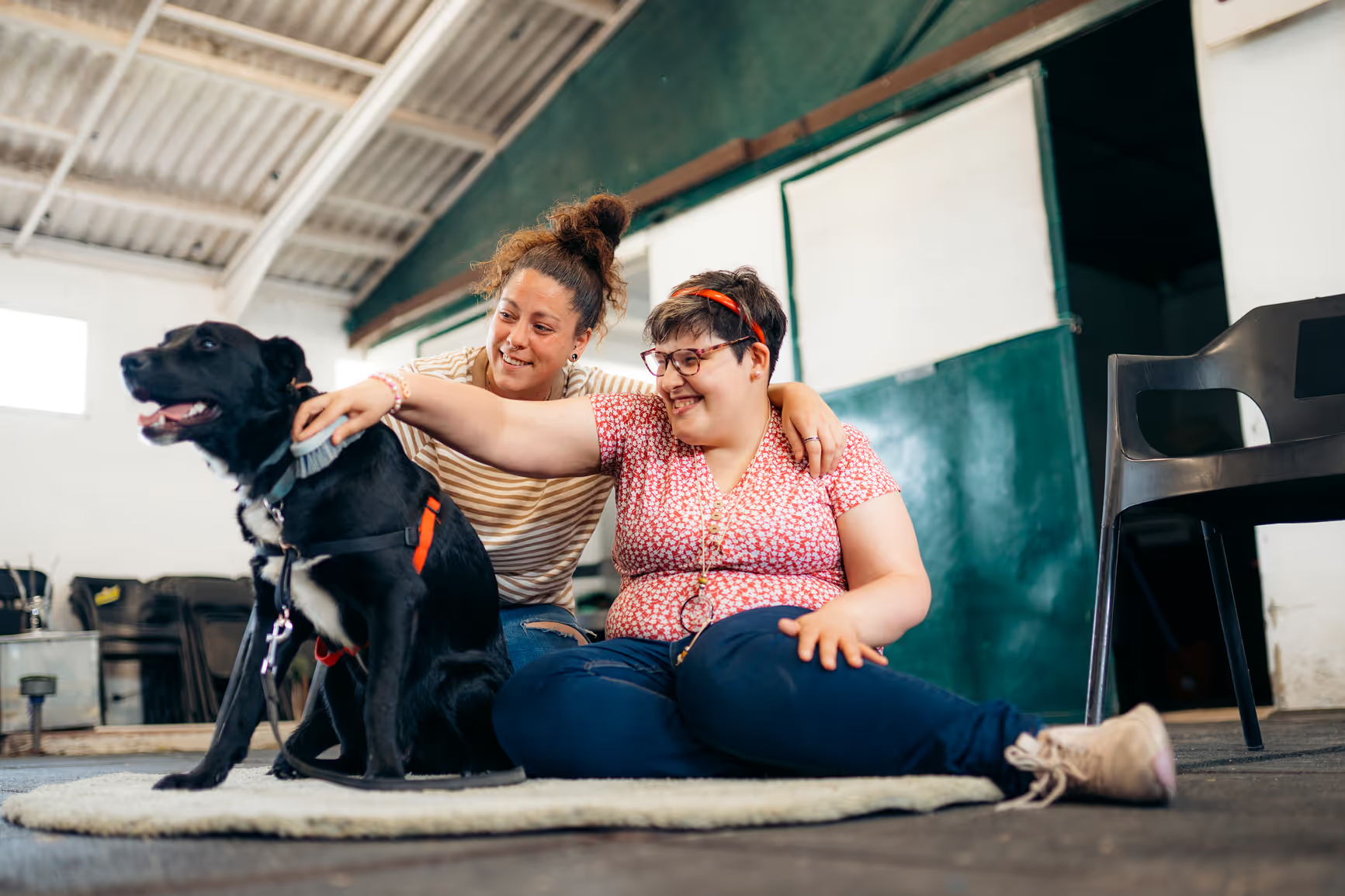
Supporting children or adults with disabilities gives nursing students exposure to core competencies that traditional clinical placements may not emphasize as deeply, particularly communication, adaptability, and emotional awareness. These strengths directly support the foundational skills students rely on during clinical experience in nursing programs.
Nursing students who work with children and adults with disabilities gain a wide range of practical and emotional skills that directly support their professional development and help them feel more confident stepping into clinical experience settings.
Practical Caregiving & Daily Support
- Helping with daily routines
- Providing hygiene and personal assistance
- Supporting feeding and mealtime structure
- Observing nonverbal cues and behavioral patterns
- Building comfort with one-on-one support, a skill that strengthens readiness for clinical experience
Emotional & Behavioral Skills
- Staying calm in stressful moments
- Practicing empathy and patience
- Guiding emotional regulation
- Understanding diverse sensory or communication needs
- Developing emotional regulation strategies that students often rely on during clinical experience in nursing programs
Communication with Children and Families
- Adjusting tone, pace, and clarity
- Strengthening active listening
- Communicating with sensitivity and respect
- Collaborating with families to maintain consistent routines
These communication habits are essential during clinical experience, where students must quickly build rapport with patients and families.
Whole-Person Insight
Working in someone’s home provides a fuller view of their environment, routines, relationships, and cultural context. This perspective supports future nursing roles in pediatrics, mental health, community health, and family care.
“Being in someone’s home teaches you way more than a textbook ever will. This job helped me understand patients as whole people, not just care tasks.”
- Mataya M., currently a profressional nurse
Flexible Part-Time Work That Aligns With Nursing School
Many disability-support roles offer flexibility that traditional healthcare settings simply cannot. Students often work:
- Evenings or weekends
- Around changing clinical schedules
- In consistent weekly shifts or short-term assignments
National data shows that a large share of college students, often 40% to 70%, depending on the year, work while enrolled.
Source: Georgetown University Center on Education and the Workforce
For nursing students, part-time caregiving can provide both income and practical experience that strengthens their confidence as future clinicians.
What Students Should Know Before Pursuing Disability Support Roles
While responsibilities vary widely, nursing students typically prepare by:
- Gathering 1–2 references from professors, supervisors, or volunteer roles
- Highlighting experience with children or caregiving
- Communicating clearly and professionally
- Being transparent about academic schedules
- Approaching the role with empathy, curiosity, and respect
These preparation steps mirror many of the expectations students encounter during clinical experience rotations, making caregiving a supportive bridge between classroom learning and patient care.
Why Purpose-Driven Work Appeals to Gen Z Nursing Students
Research shows that many Gen Z workers place a high value on meaningful, purpose-driven roles, especially work that helps people directly.
Source: SHRM: How to Attract Gen Z Workers With Purpose-Driven Workplaces
Disability support roles often resonate with these values because they offer:
- Real human connection
- Immediate, visible impact
- Opportunities to advocate for someone else’s well-being
- Experience that aligns with long-term career aspirations in healthcare
“I didn’t realize how much purpose I’d get from this work. It made me more certain I picked the right major.”
“Helping families makes school feel more connected to real life.”
Can Nursing Students Balance School and Part-Time Caregiving?
Yes, many already do. With thoughtful planning and communication, students often find caregiving compatible with their academic demands.
Practical Strategies for Balance
- Use digital calendars to plan weekly commitments
- Communicate early about exam weeks or schedule changes
- Maintain open communication with families
- Prioritize rest, nutrition, and emotional recovery
These general planning strategies can help students manage both school and part-time work, while also protecting their well-being.
“Caregiving forced me to get organized — honestly, it made me a better student.” -Emma H. nursing student
What Nursing Students Say About Disability Support Experience
Students frequently describe disability support work as a formative part of their education. Common reflections include:
- Greater confidence interacting with patients
- Improved emotional regulation
- Stronger communication skills
- A clearer sense of career direction
- A deeper understanding of disability and lived experience
"The skills I acquired while working with a disabled child will make me a more compassionate nurse." - Saughat
Why Disability Support Roles Are Valuable for Nursing Students
Disability support roles offer nursing students a unique combination of:
- Hands-on, practical caregiving experience
- Emotional growth and resilience
- Real-world communication with families
- A flexible schedule that supports demanding coursework
- Meaningful, purpose-driven work aligned with Gen Z values
For students seeking applied learning and human connection, these roles can be a powerful complement to formal nursing education.
About Truly Care
Truly Care is a marketplace platform that connects families seeking caregivers with independent care providers. We are not a home health agency and do not employ caregivers. Families and caregivers set their own terms of engagement, including schedules, compensation, and job responsibilities. Families are responsible for their own hiring decisions and compliance with applicable employment and tax laws.

Make your next job your best job.
Get Started →